Advertisement
Anonymous
Do you think it is considered discriminatory to filter people by education level on dating apps?
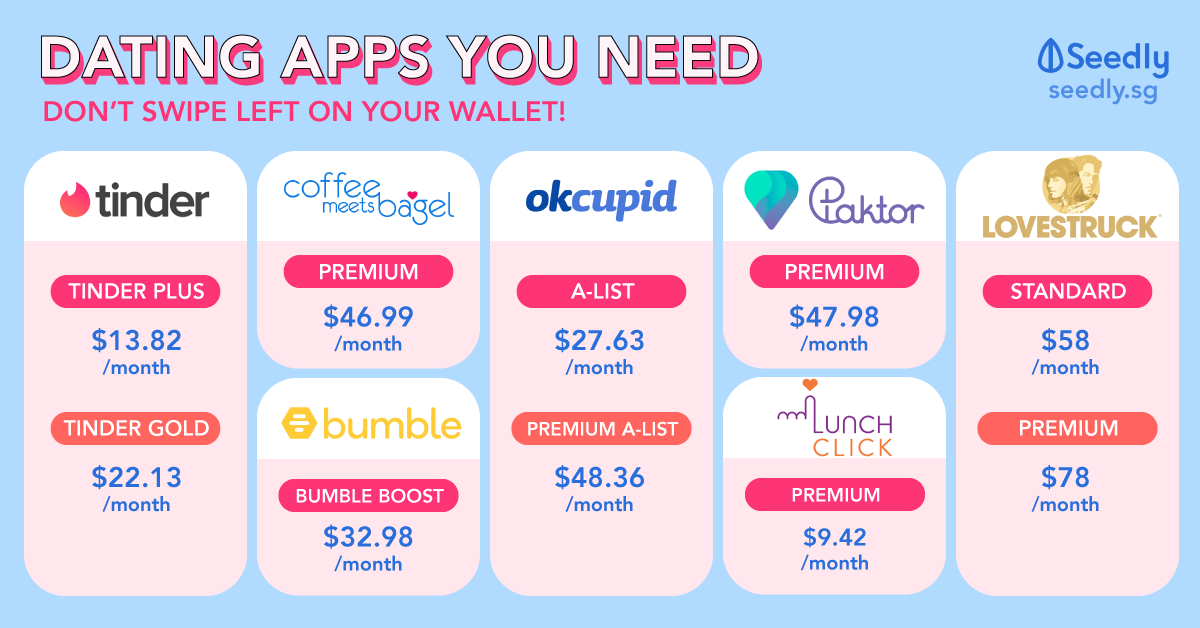
I've been on dating apps for awhile, Tinder, CMB, OKC, Bumble... And tbh it's exhuasting constantly restarting new conversations with different people. As someone who went through JC and Uni, I must admit that I don't really 'click' well with people who are from Poly or ITE because I can't find much commonalities and I don't really understand what they go through. (Yes I am ignorant I know, I'm trying to read up more).
But just like how apps include religion, and perhaps a Christian wouldn't want to try talking to a Buddhist on a dating app, cause it doesn't make much sense for either of them since chances of conversion are lower and they are less likely to 'click' well because of different values and beliefs. Do you think this can be extrapolated to education level which might lead to different life perspectives (needs, wants, ideals etc.)? Honest opinions. Don't hold back.
5
Discussion (5)
Learn how to style your text
Reply
Save
No imo, because your education bg will defo play an impt role in deciding your marriage eg parent approve/disapprove
Reply
Save
The phrase dating refers to the practice of romantically getting to know someone. Dating refers to t...
Read 3 other comments with a Seedly account
You will also enjoy exclusive benefits and get access to members only features.
Sign up or login with an email here
Write your thoughts
Related Articles







Related Posts
Related Posts
Advertisement
In the digital dating world, many apps allow users to filter potential matches based on education level. While some argue this helps find compatible partners, others see it as a form of discrimination that limits opportunities for meaningful connections. Critics suggest that prioritizing education may reinforce social and economic divides. Discussions on platforms like tiktok reviews highlight mixed opinions—some believe it’s a personal preference, while others argue it fosters elitism. Ultimately, dating is about personal choice, but it’s worth questioning whether such filters promote genuine connections or reinforce societal biases in relationships.