Just to be sure, bond payments here refer to the coupons right?
They are similar in that they pay you a regular sum over a period of time. This is why they are often viewed as fixed income products, and passive investors can often take on such products to grow their investments without monitoring them so much.
But they are different in many ways.
- Payments
Most bonds require to pay a fix dollar value of coupons over a period of time, but this may not be true of dividends. A company may not always have to declare dividends, or fix the amount of dividends they will pay. For bonds, if the company does not pay the coupon or pays the coupon late, the company would have defaulted on their bonds and might have broken certain agreements that they have with bond investors, and the investors might be able to take certain actions. Shareholders may not be able to take such actions with dividends
2. Risk
Bonds are generally considered safer than stocks of the same company. This is because shareholders are subordinate to bondholders in a liquidation, and shareholders may not have the protective agreements or covenants that bondholders enjoy.
- Lender vs Owner
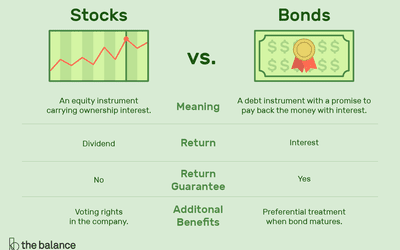
As a bond holder, you are considered a lender to the firm, whereas if you are shareholder, you actually own a proportion of the firm. As a shareholder, you may enjoy voting rights, which bondholders don't, since technically you own the firm.






Just to be sure, bond payments here refer to the coupons right?
They are similar in that they pay you a regular sum over a period of time. This is why they are often viewed as fixed income products, and passive investors can often take on such products to grow their investments without monitoring them so much.
But they are different in many ways.
Most bonds require to pay a fix dollar value of coupons over a period of time, but this may not be true of dividends. A company may not always have to declare dividends, or fix the amount of dividends they will pay. For bonds, if the company does not pay the coupon or pays the coupon late, the company would have defaulted on their bonds and might have broken certain agreements that they have with bond investors, and the investors might be able to take certain actions. Shareholders may not be able to take such actions with dividends
2. Risk
Bonds are generally considered safer than stocks of the same company. This is because shareholders are subordinate to bondholders in a liquidation, and shareholders may not have the protective agreements or covenants that bondholders enjoy.
As a bond holder, you are considered a lender to the firm, whereas if you are shareholder, you actually own a proportion of the firm. As a shareholder, you may enjoy voting rights, which bondholders don't, since technically you own the firm.