Advertisement


OPINIONS
Why Does Money Work: The Most Efficient System of Mutual Trust Ever Devised
Humans have been around for over 70,000 years and it feels like we have taken the concept of money for granted.
Kenneth Lou
13 Jun 2021
Co-founder at Seedly
In today's piece, we will hit the pause button on all the frenzy in the stock market calling for bulls and bears, savings yield and investments to fully understand why do humans place so much importance in money.
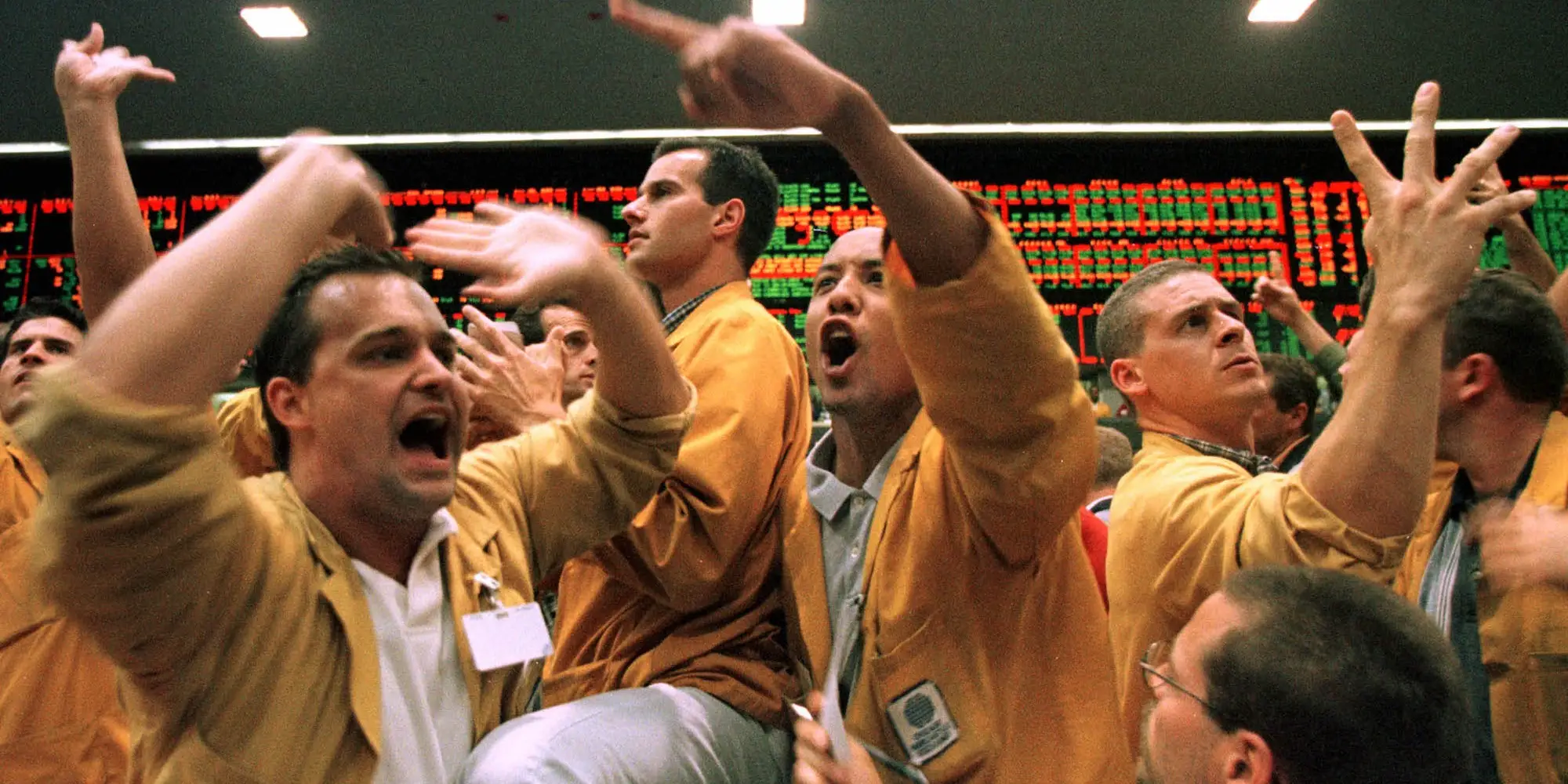
In a follow up piece, I will seek to understand how it will continue to evolve - from past to present and most importantly, the future - from Barley, Coloured paper to Digital Coins.
This piece builds on the brilliant minds of Yuval Noah Harari, Author of Spaiens, Vitalik Buterin, co-founder of Ethereum and David Hoffman, co-founder at Bankless.
TL;DR: Why Is Money The Most Universal and Efficient System of Mutual Trust Ever Devised?
If you need to exchange trust between two parties who do not know each other, there is no more efficient way than money
It is currently the only trust system created by humans which can bridge almost any culture, race, religion or sexual preference
Money exists because it has proven to be effective in performance and has worked for many years in continuity, thus reinforcing the Lindy effect
However, the concept of money (trust) has taken many shapes and forms for over 70,000 years and will continue to evolve in today's digital age
Money Talks - If you run out of money, you run out of the ability to command trust
I’m sure you might have heard of the expression - Money Talks. A further reading online might share that if you say that “money talks”, you mean that if someone has a lot of money, they also have a lot of power.
Trust as we know, comes in the form of many shapes and sizes. Within families and friends, who exchange with each other a word to do certain actions or tasks.
It is defined as having the confidence, faith or hope in someone or something.
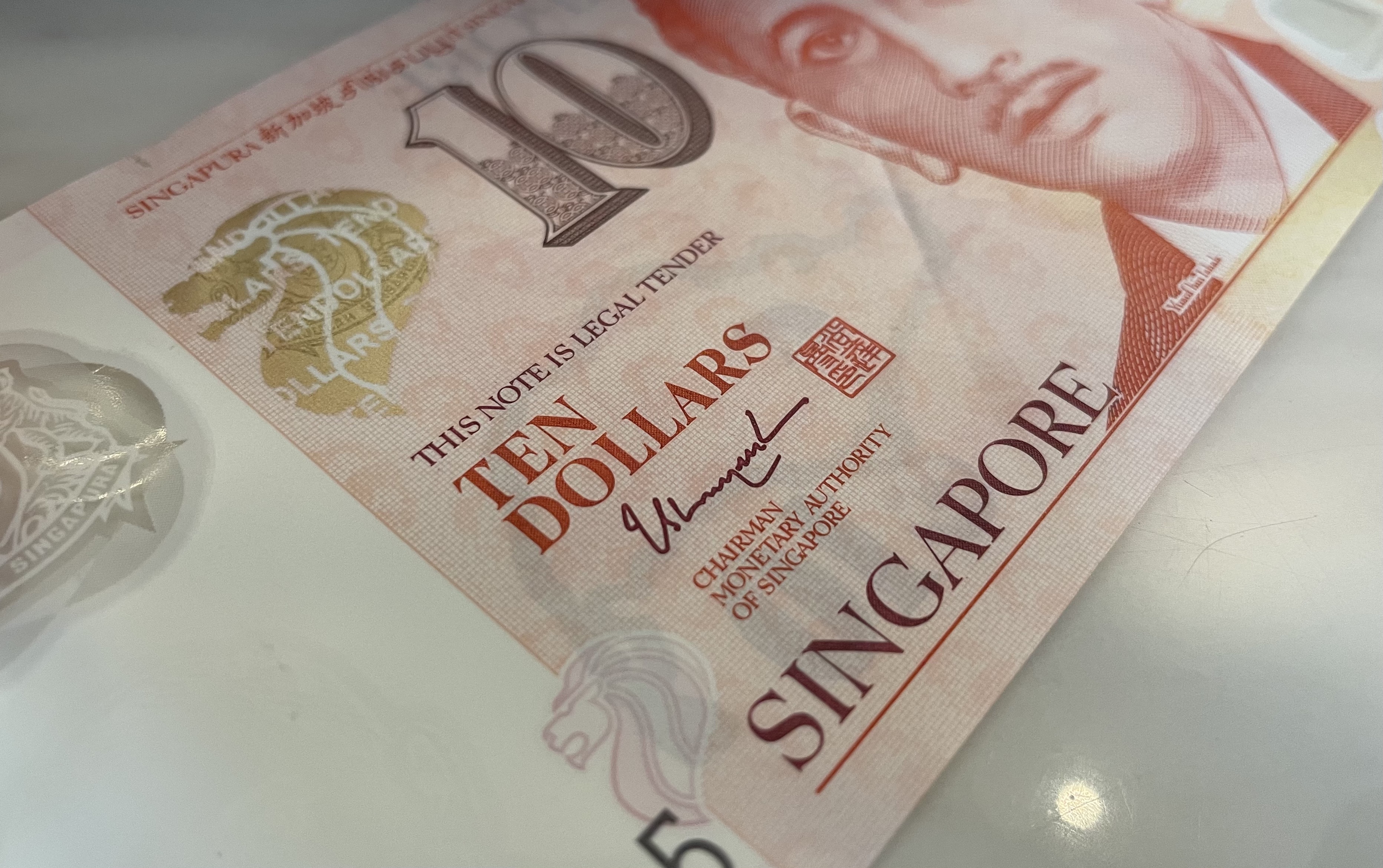
If you open up your wallet now and look at any Singapore dollar bill, you will find that these words are printed on it “In legal tender” and signed off by the Chairman of the Monetary Authority of Singapore.
This means that, in the purest of sense, we have full trust that this ten dollar bill has which has been minted by the Singapore government could be used to exchange for up to 2 cups of your favourite bubble tea at the nearest mall.
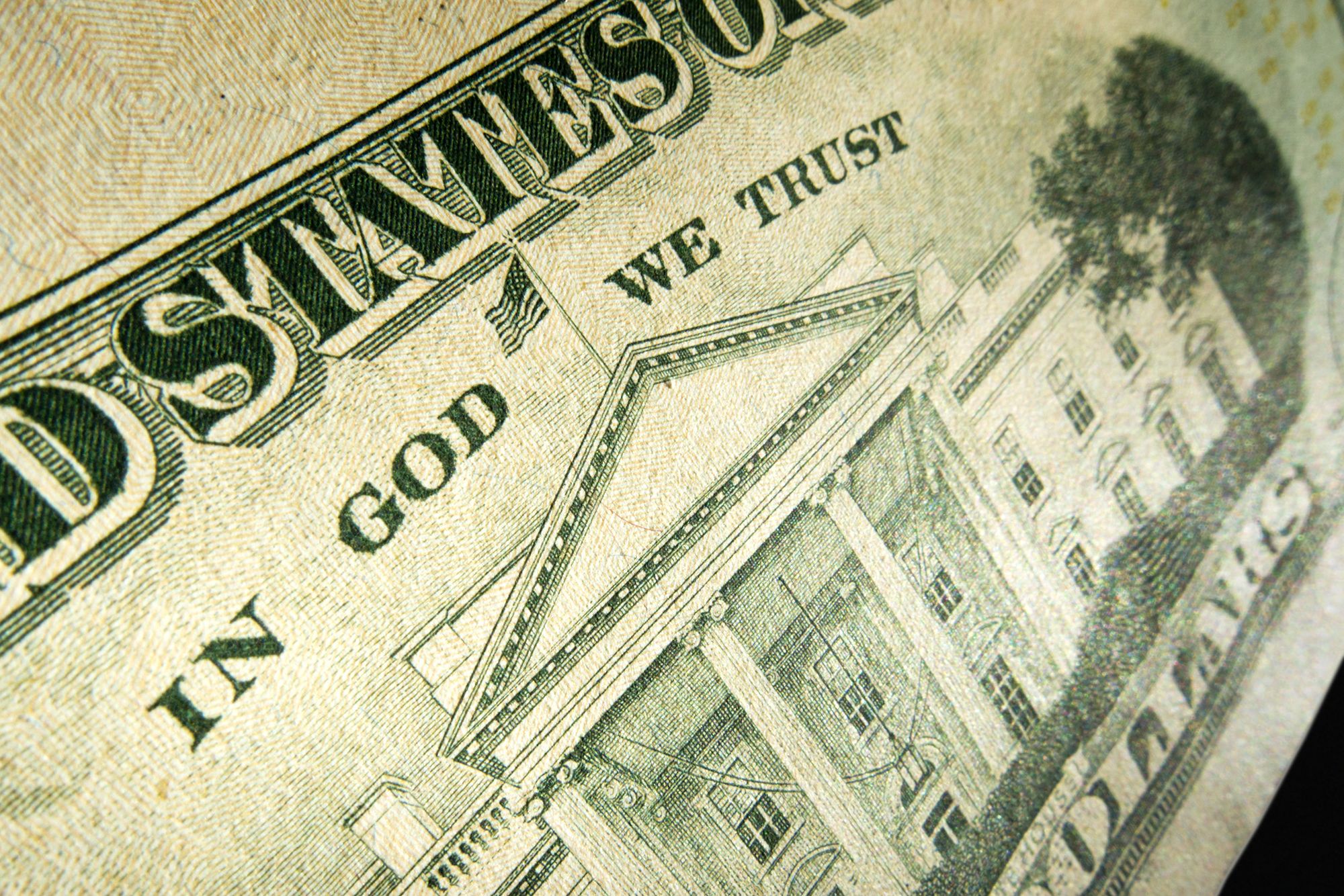
On the USD, we see that it is even a higher order of trust - In god, we trust.
So if one day you decided to become creative and started printing notes in your living room. (Read: counterfeiting)...
It would be deemed to be a breach of sovereignty, an act of subversion of the power, previllegs and the person of the almighty.
Money is "currently" the only trust system created by humans which can bridge almost any cultural gap.
Whereas religion asks us to believe in something, money asks us to believe that other people believe in something.
Currently, the almighty dollar bill does not discriminate on the basis of religion, gender, race, age or sexual orientation.
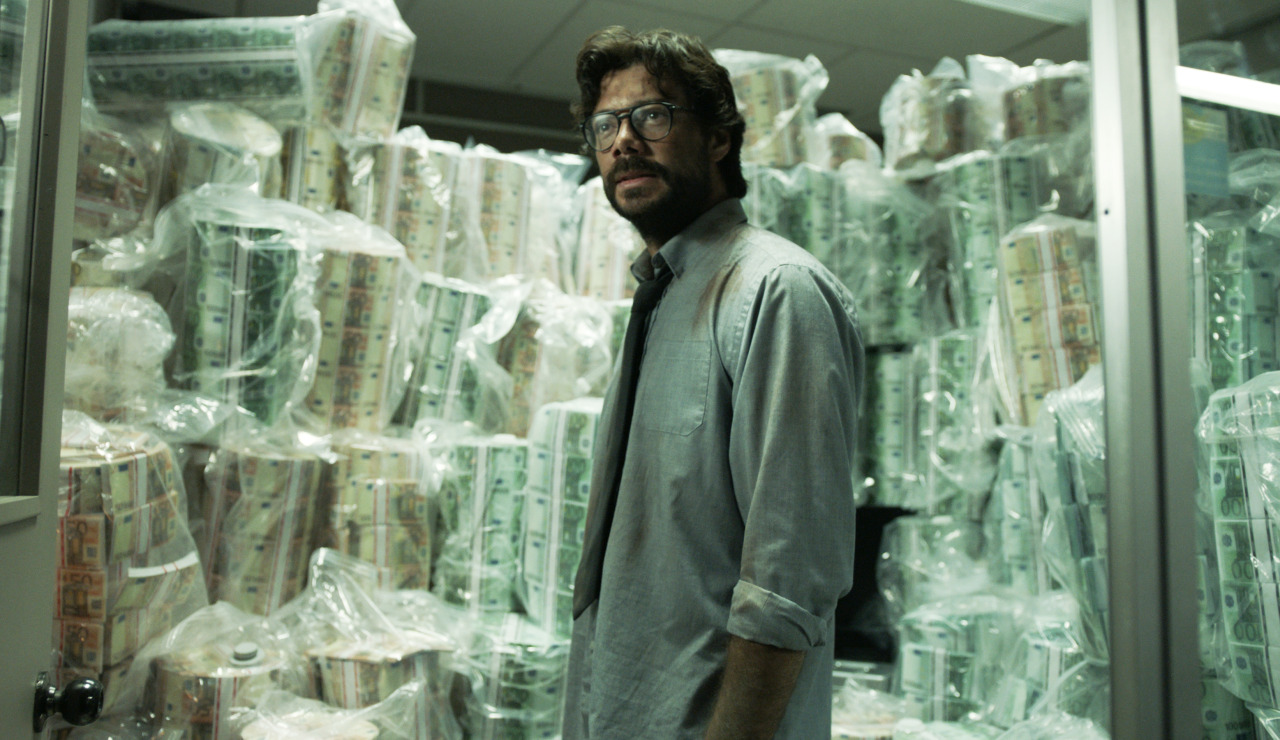
If you watched 'Money Heist' on Netflix, one scene which might be paint this picture was when the professor was standing in front of all the printed notes in Season 1 and splitting ways shortly after to lead their new lavish lives on some private islands. (Even though they were lawfully, criminals)
If you run out of money, you run out of the ability to command trust.
The Most Important Scarce Resource is Legitimacy
To understand trust, we need to understand the concept of legitimacy, which are two inherently distinct ideologies which come together.
In March, Ethereum co-founder Vitalik Buterin wrote a post titled The Most Important Scarce Resource is Legitimacy.
In which he argues that the real value of any crypto asset or money comes not from actually owning the thing, but from legitimacy.
Two concepts are particularly relevant to Money:
Legitimacy by performance: if the outputs of a process lead to results that satisfy people, then that process can gain legitimacy (eg. successful dictatorships are sometimes described in this way).
Legitimacy by continuity: if something was legitimate at time T, it is by default legitimate at time T+1.
Performance and continuity create the Lindy Effect.
Lindy Effect: The longer something lasts, the longer it can be expected to last
Something that has been around for a year is expected to be around for another year, but something that has been around for 100 years is expected to be around for another 100 years.
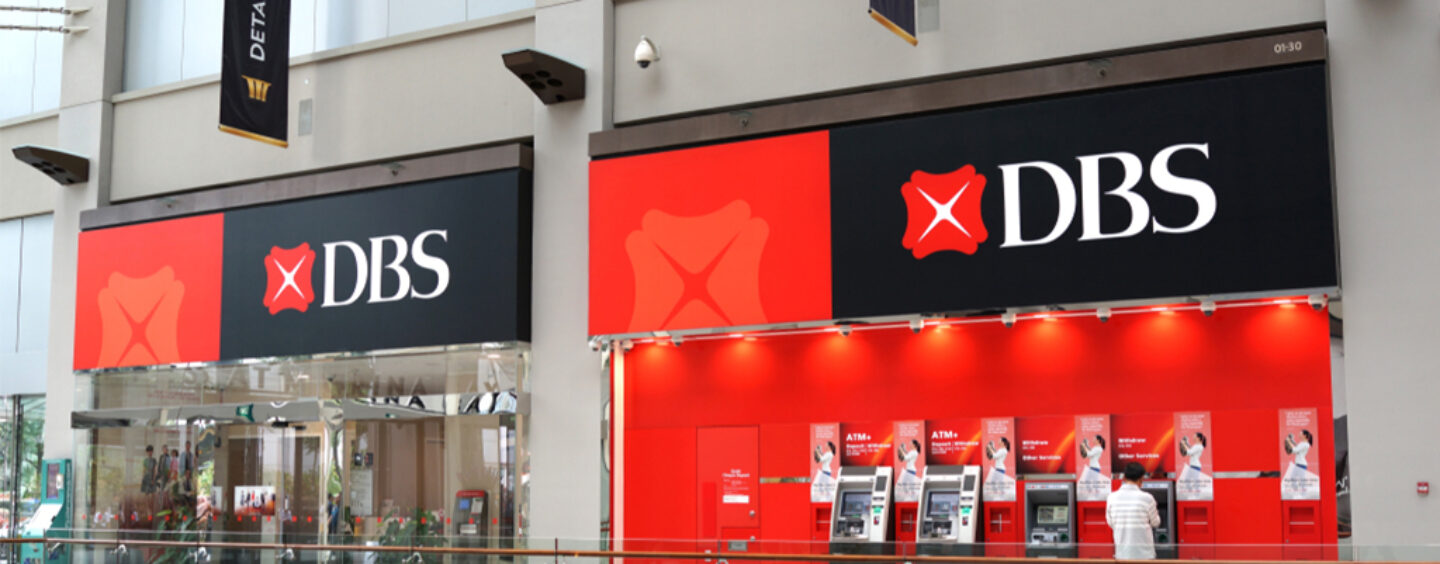
This is an observable phenomenon which many investors like to assume. DBS, which has been around for the last 50 years, is more likely to be around in the next 50 years than a new digital bank, example Grab.
Conclusion: The Concept Of Money Will Continue To Evolve
The USD dollar likewise which has been strong for the last 100 years could be believed by many as a stable reserve currency going forward into the next 100.
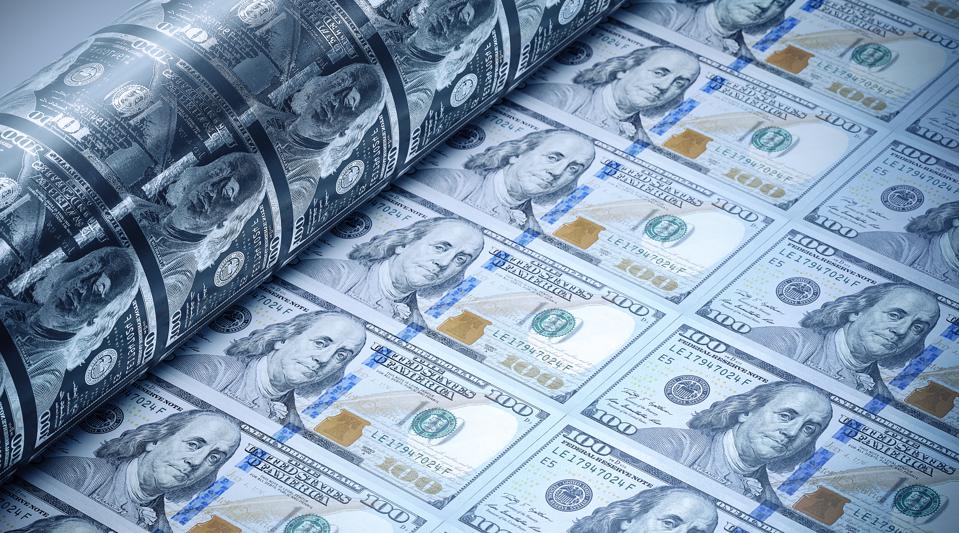
However, that may well not be the case given the global recession by the pandemic in 2020, which created a "A New Bretton Woods Moment" which could imply the need for a new global reserve currency system.
We have already moved beyond the acient days of coins, notes and digital records. Where we are going I believe will be a Tsunami of changes which will arrive in the next 10 years, triggered by the pandemic which has minted over USD1.9 Trillion of capital into the markets just within the last year itself.
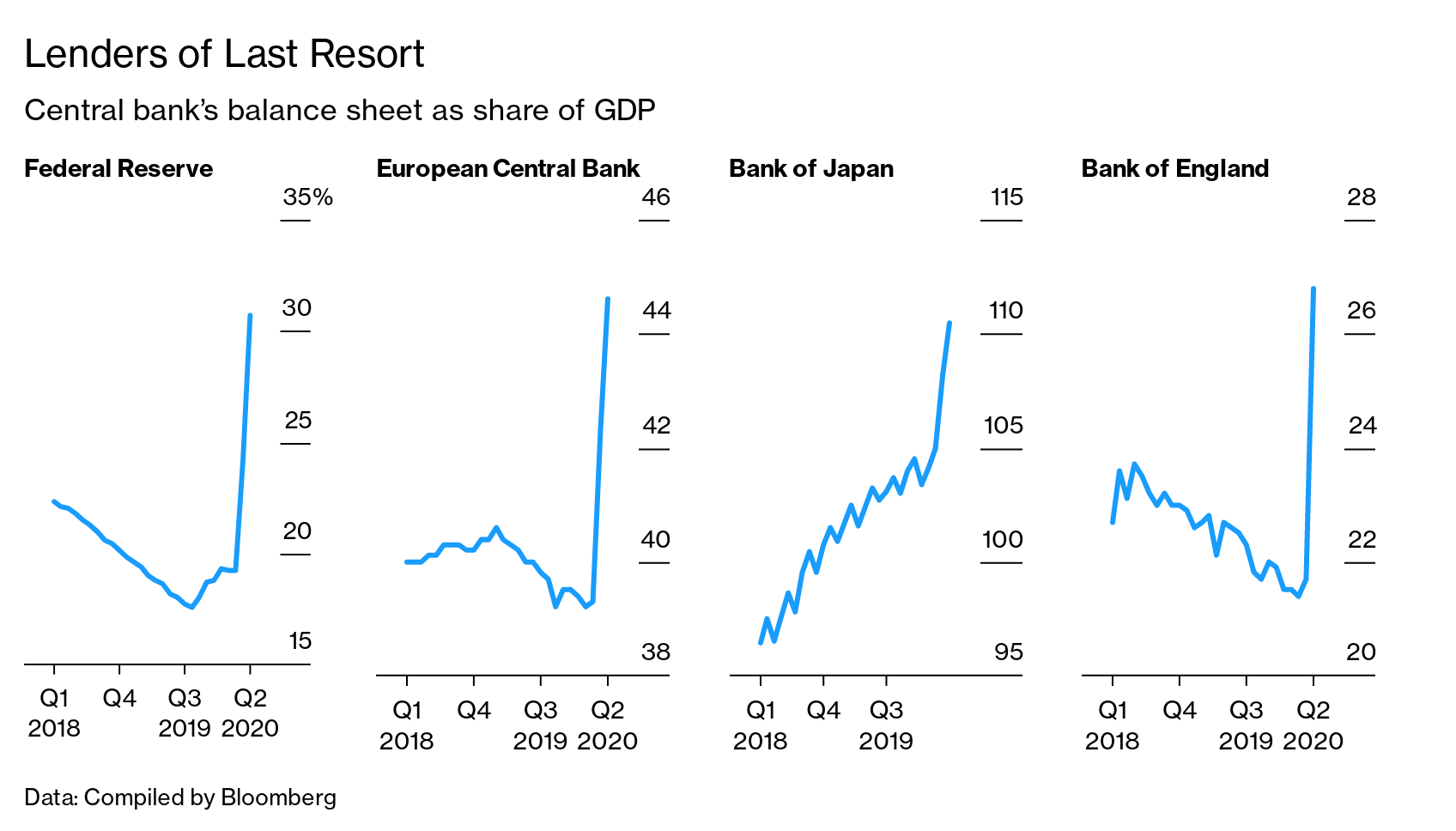
I will cover more on this in a future piece where I will explore the various forms that money has taken in the past and where we could be going in the future.
Comments
1009
3
ABOUT ME
Kenneth Lou
13 Jun 2021
Co-founder at Seedly
Helping people make smarter financial decisions one step at a time.
1009
3
Advertisement
No comments yet.
Be the first to share your thoughts!