Advertisement


OPINIONS
Portfolio Review (July 2024)
Portfolio Review
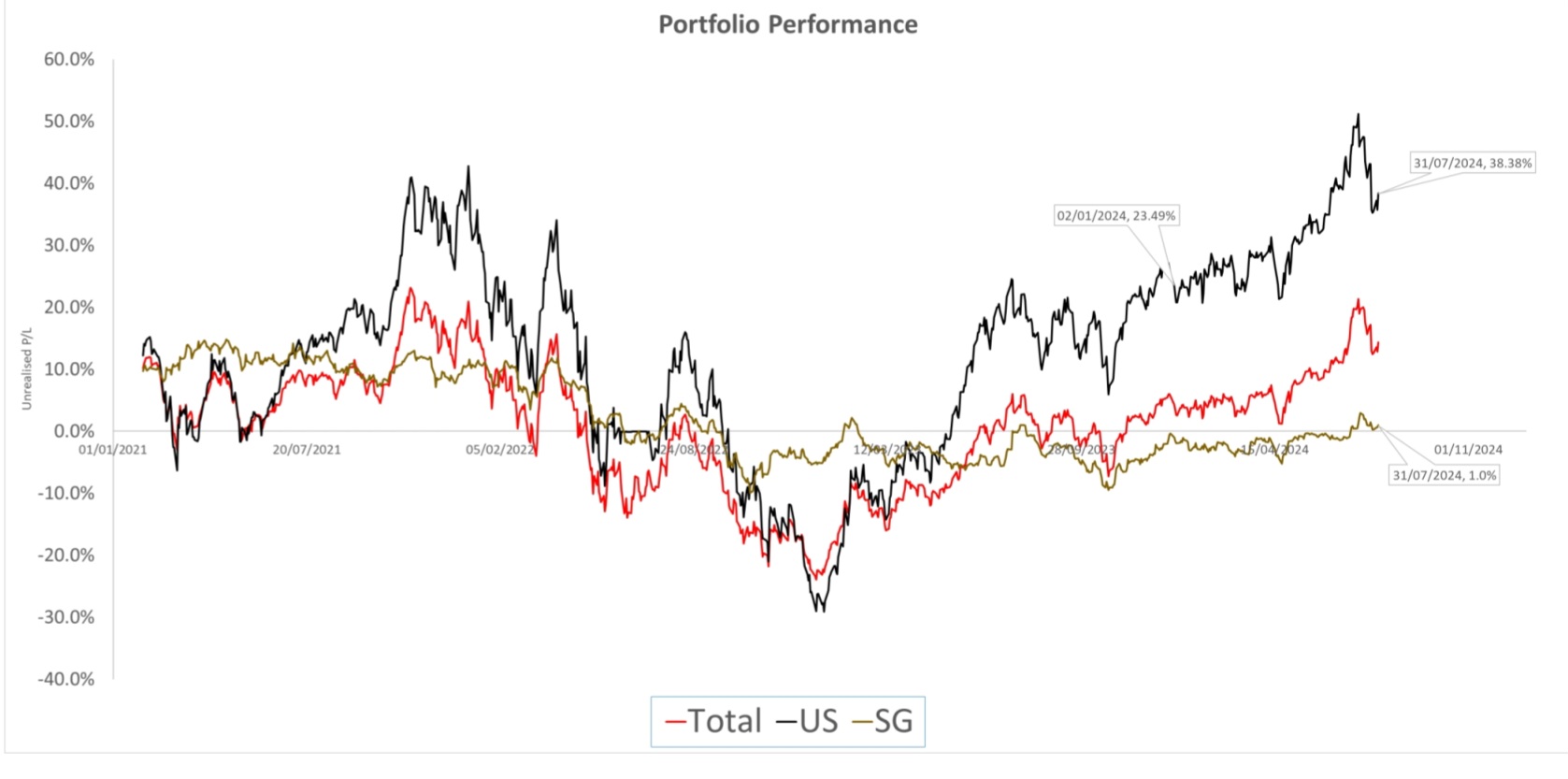
Review of my Portfolio (31/07/2024)
Total unrealized profit: + 10%
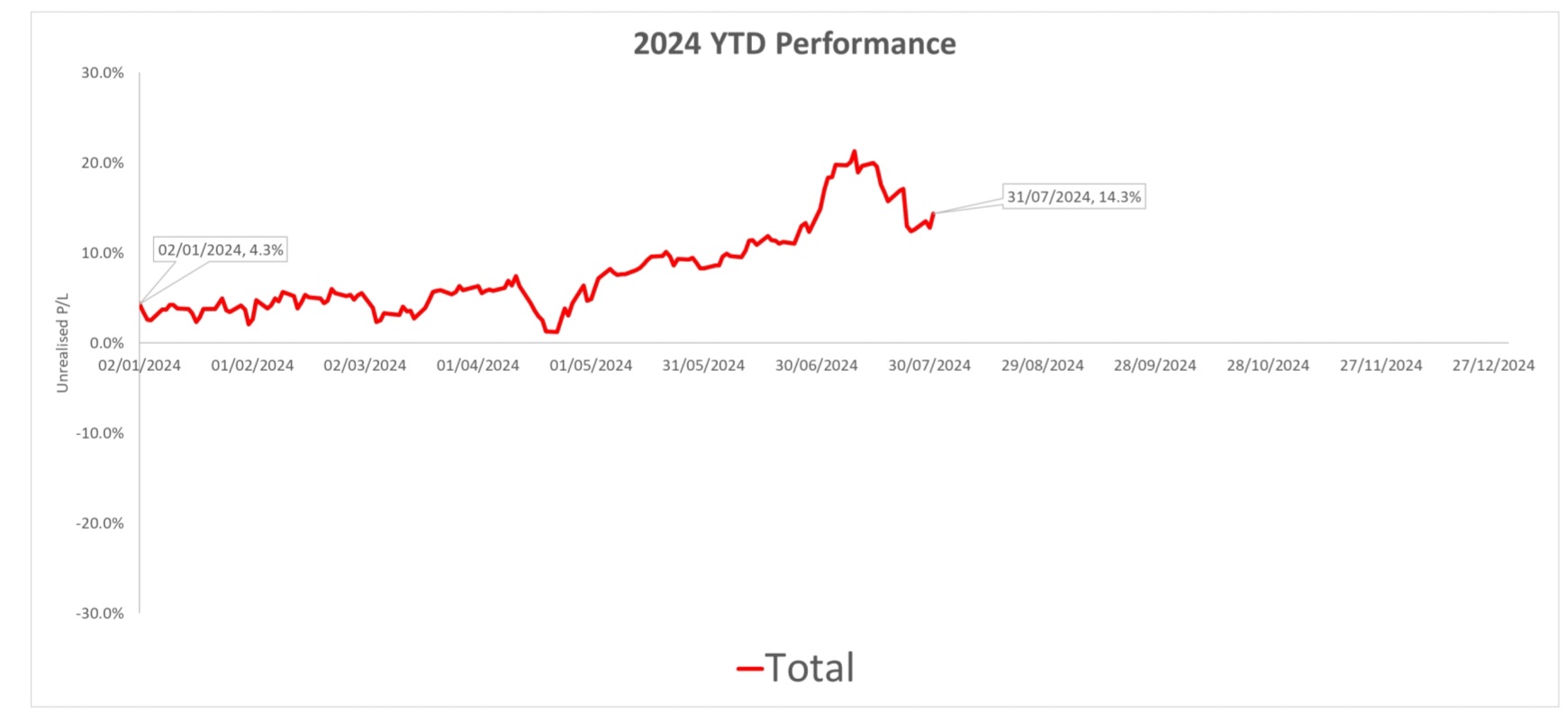
YTD performance: + 14.3%
Added in July
Goal 1: ( $48,699.02 / $81,594) ⚔️
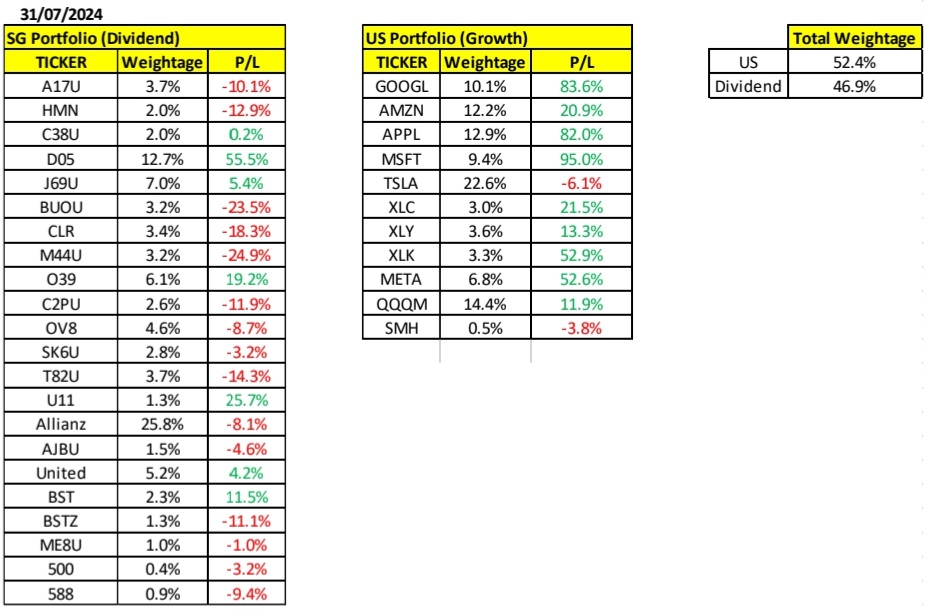
Growth Portfolio: QQQM, SMH
Dividend Portfolio: D05, CLR, M44U, T82U, HMN, AJBU, ME8U, C2PU, United Global Durable Equities
Sold
BABA, KWEB, AU8U, J91U
Portfolio Weightage
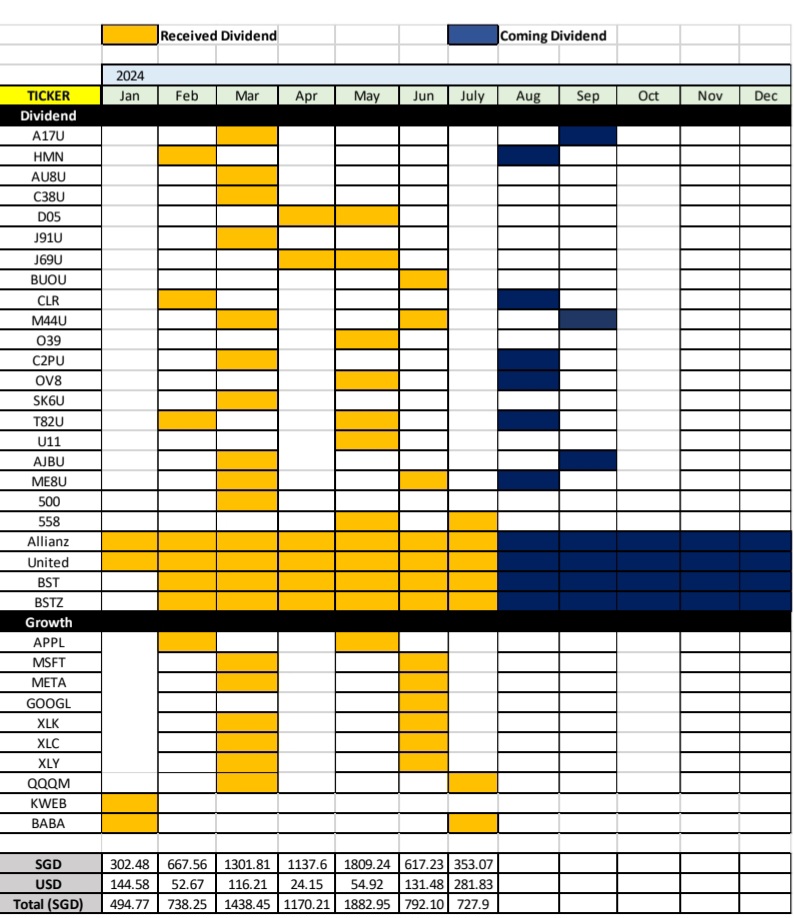
Dividend Recieved
Goal 2: ($ 7,244.63 / $14,212) ❤️
Dividend recieved in July = $ 727.90
Different Money Management Strategies For Retirement
- There are many money management strategies for retirement.
I will just provide a very brief overview some of the common strategies.
Strategy 1: CPFLife as main, Investment as supplement
- Most financial advisors will probably uses CPFLife as the main pillar for retirement funding because it is risk-free and hedge against longevity risk.
- This strategy usually involves topping up our CPF with cash, transfering our OA to SA and maxing our MA to supercharge our SA while we are still young so we have ample time for compounding.
- On top of CPF, usually we will be recommend to invest in a global diversified portfolio, because CPFLife is only sufficient for basic retirement, to have a more comfortable retirement it is still necessary to invest in equities.
We will be surviving mainly on the CPFLife payout and only sell our investment when needed.
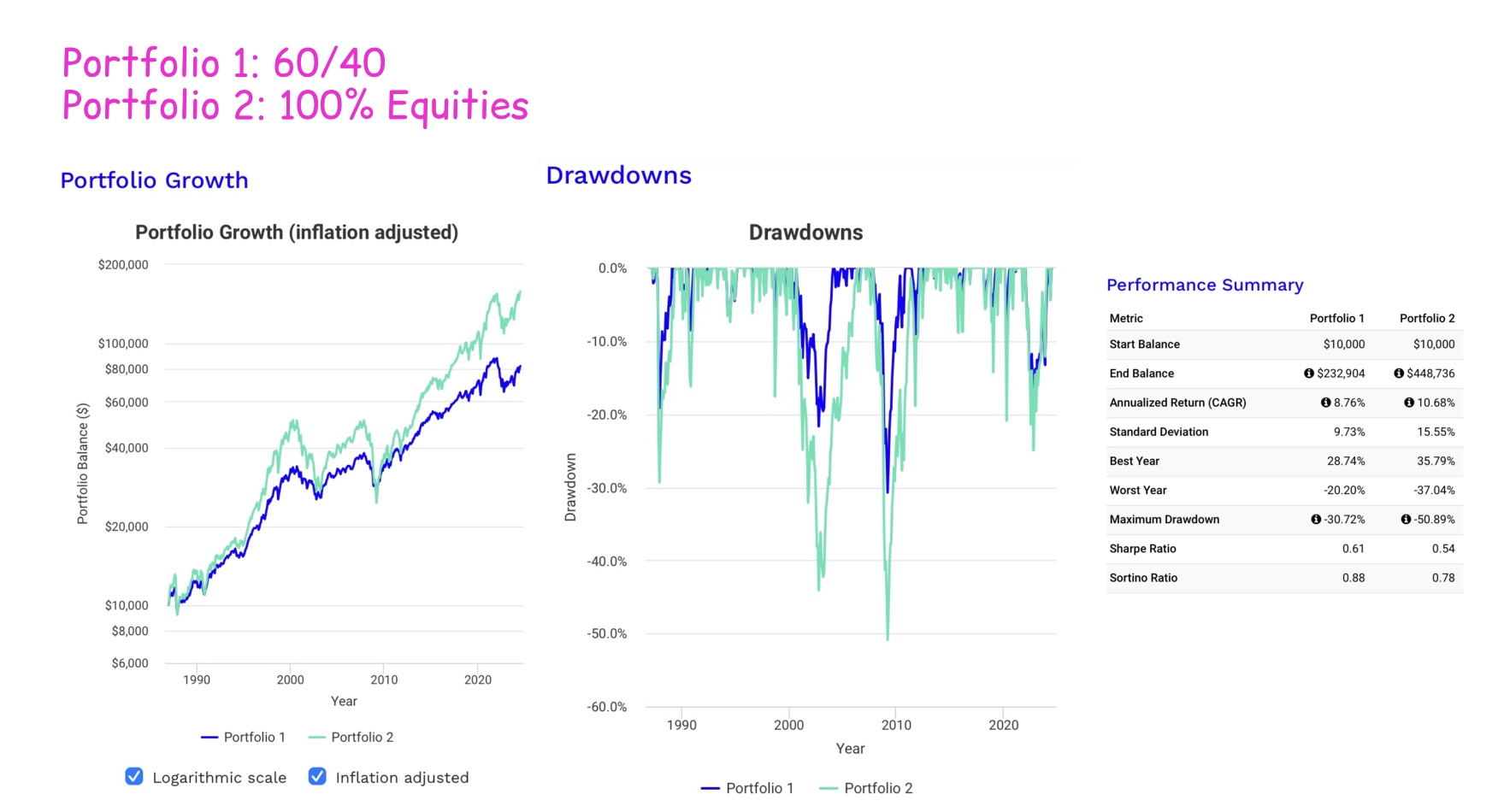
Strategy 2: Investment as main, X% Equities, Y% Bond Portfolio (60/40)
- The classic 60/40 portfolio involve allocating 60% of capital to equities and 40% to bond.
- The idea is to remain invested throughout the retirement. Letting our money grow while managing the volatility of the portfolio.
- Once we make any withdrawal, we will then immediately rebalance back to the 60/40 ratio
- 60/40 reduces the portfolio drawdown during the bear market, thus we were able to sell proportional lesser shares to fund for our retirement, making our portfolio last longer.
- The reduction of volatality of portfolio come at an expense of annualized returns.
Strategy 3: Bucket Strategy
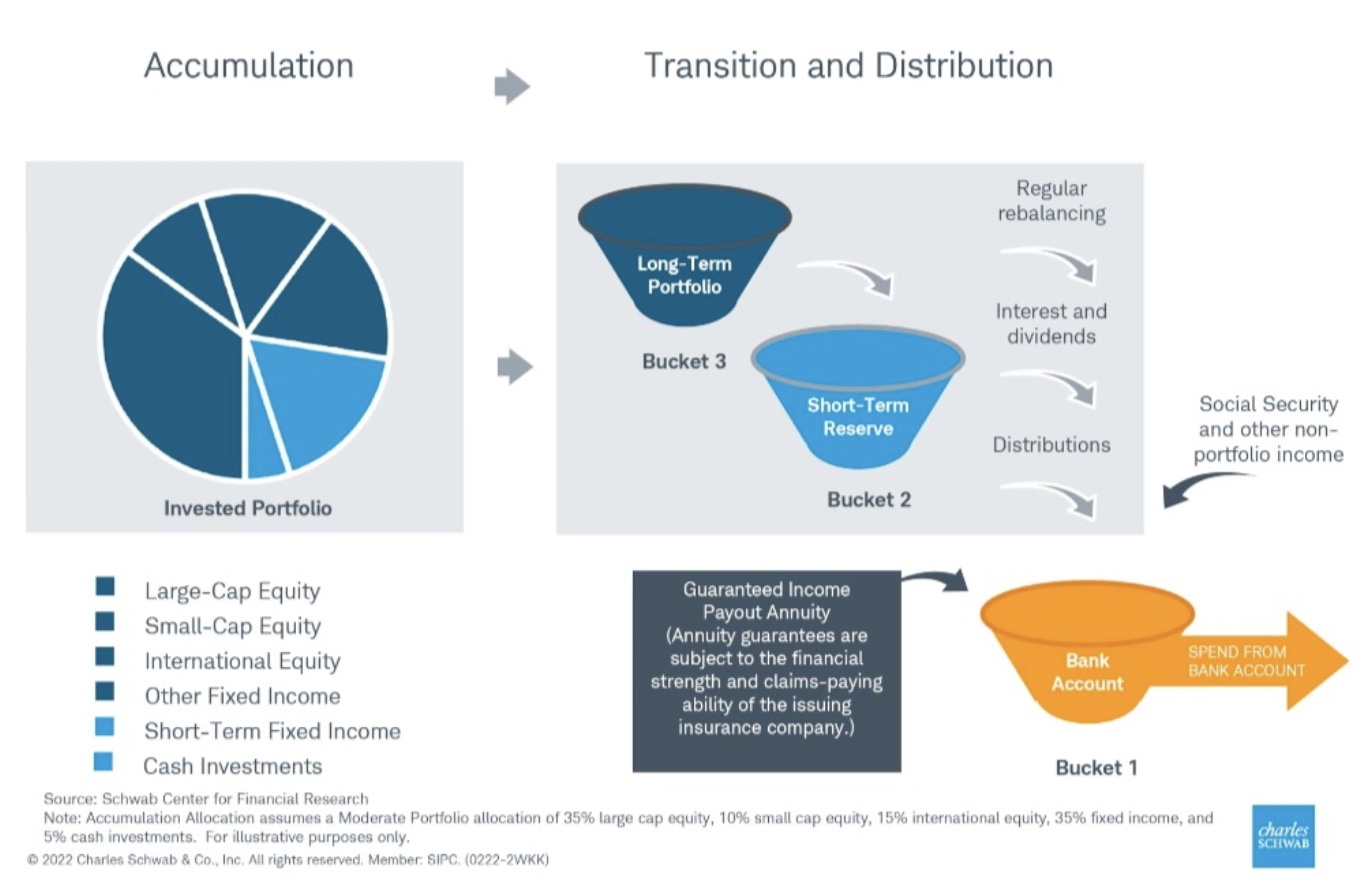
- We divide our retirement assets into 3 buckets based on time period.
- The short term bucket (expenses in 1 - 3 years) consists of low risk and risk-free assets such as cash, fixed deposit, SSB
- Medium term bucket ( expenses in 3 - 10 years) can consists of corporate bonds that yield a slightly higher interest with medium risk.
- Long term bucket ( more than 10 years) consists of diversified equities portfolio.
- As we approach the corrosponding time horizon, we will be moving the fund from long term to medium term bucket and medium term to short term bucket.
- The purpose of the bucket strategy is to isolate our retirement fund from market volatility. However, the fixed nature of the bucket strategy can expose us to inflation risk as we are heavily invested into bonds and instruments that cant beat inflation in short term and medium term buckets.
Strategy 4: The 4% Rule
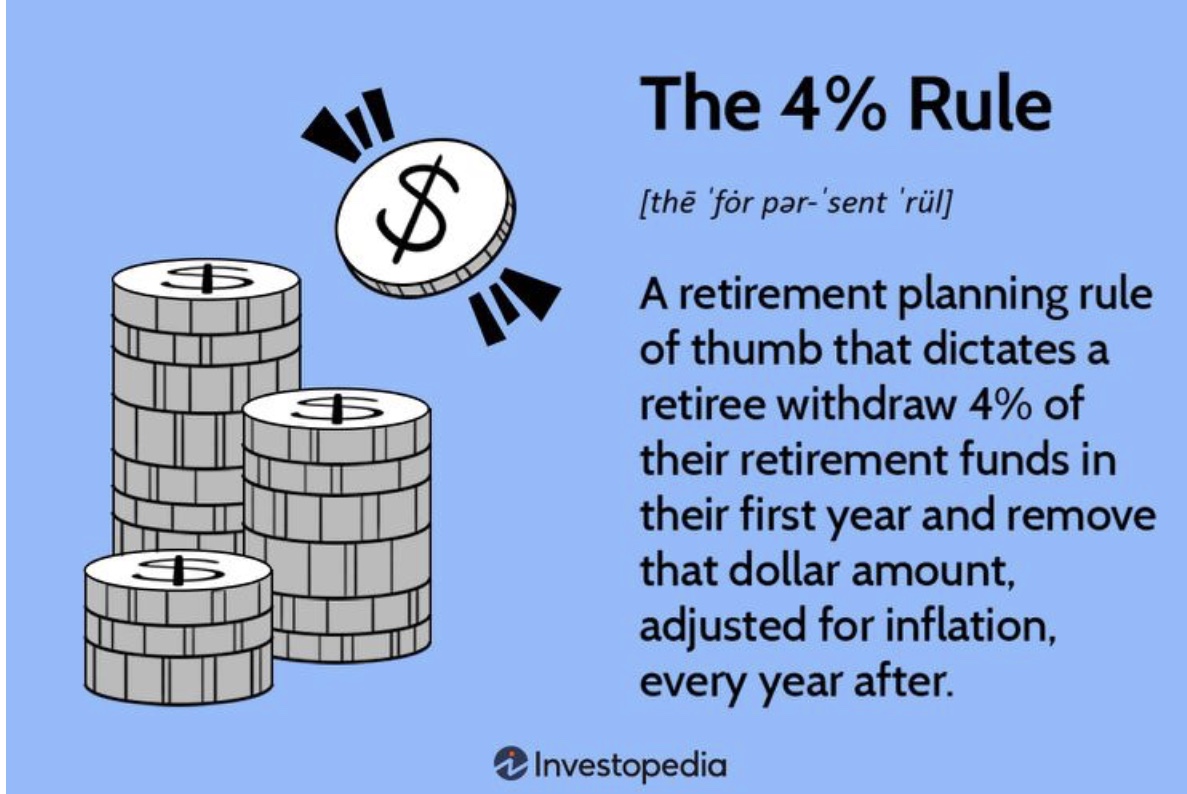
- If our annual expenses is $40k, then $40k / 0.04 = $1M portfolio.
- With a withdrawal rate of 4%, the portfolio will be able to last for ~30 years.
- The common misconception is that 4% rule dictates retiree to withdraw 4% of portfolio value each year during retirement.
- The 4% only applies in year one of retirement, after that inflation dictates the amount withdrawn. This is to maintain the purchasing power of the first 4% withdrawal.
Example:
During the first year, with a $1M portfolio, the withdrawal amount will be $40k. In second year, if the inflation is 2%, then the withdrawal amount is ($40k x 1.02) = $40.8k. In the third year, if the inflation is 3%, the amount will be ($40.8k x 1.03) = $42k and so on.
Strategy 5: Living off dividend
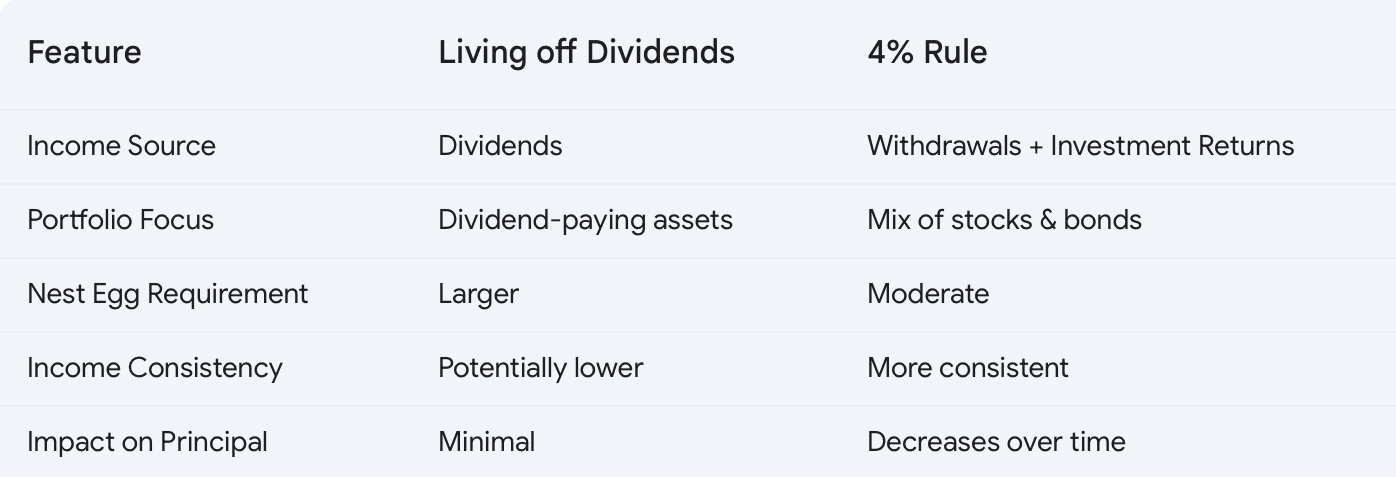
- There are another group of investors that prefer not touching the principal and only spend the interest.
- The amount of dividend payout are not guaranteed unlike selling our asset to fund our retirement. Thus we would need a bigger and diversified portfolio to buffer for any dividend cut.
- The withdrawal method of funding often required us to make a projection into the future for our expenses to determine the size of our portfolio.
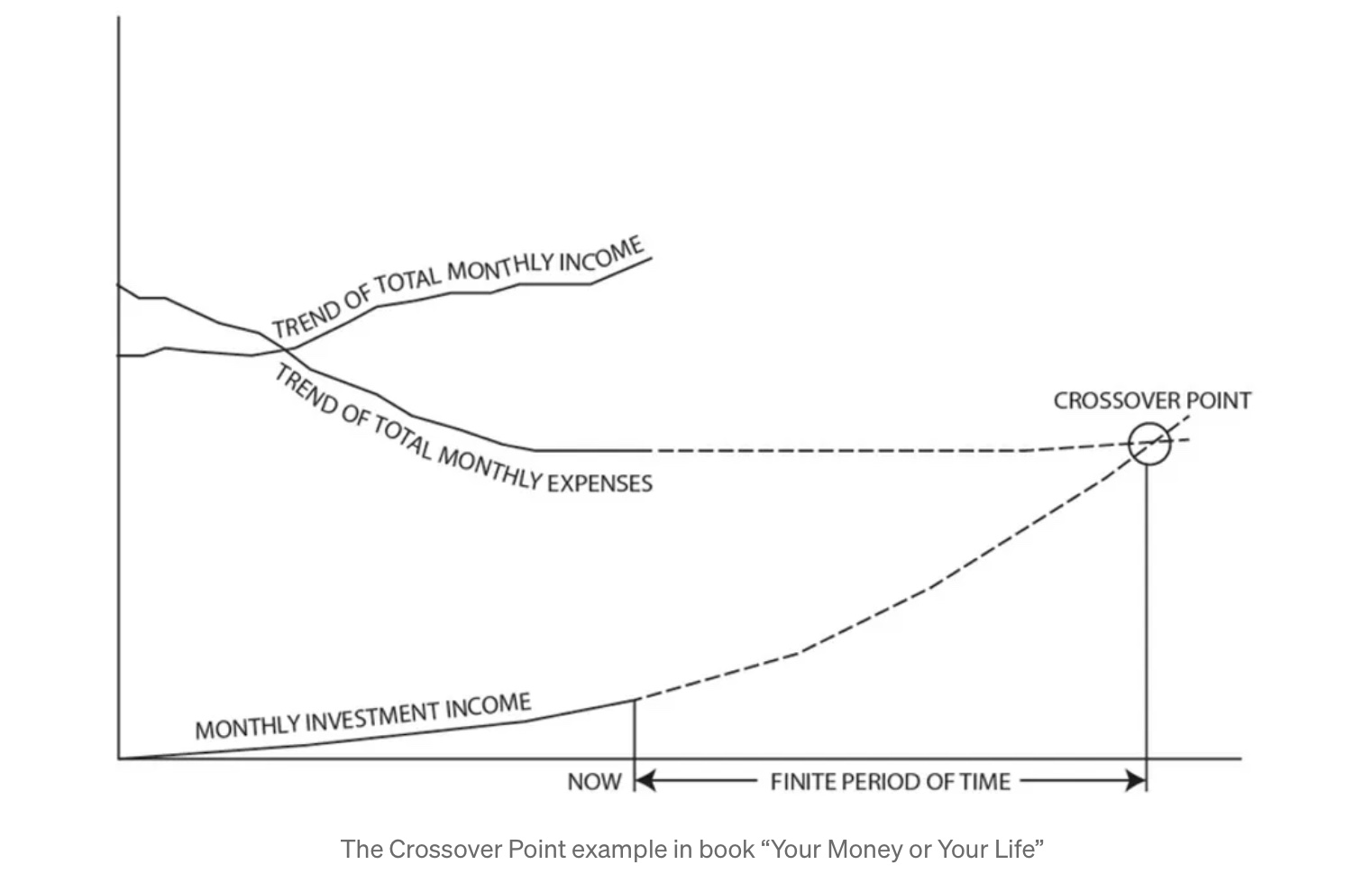
- For dividend investors, once the investment income reached the "crossover" point, technically they have achieved financially independent.
Strategy 6: Property for Retirement
- Not to forget, there also investors who invest only in property.
- Property asset progression is a more common property investment strategy unique to Singapore.
- It is a gradual asset grow that take time and considerable planning. Is a marathon, not a sprint.
- This strategy involves upgrading to a higher property tier until 55 years old.
- Singapore property require low cash outlay, 5% cash and 95% can be fund by CPF and bank loan.
- Investor may grow their wealth without even dipping into their savings by renting out tge unit.
- Property owners can look forward of owning one or two residential private properties at their retirement age.
- They then have a choice to deleverage by downgrading, cashing out all the profit or continue to renting for income.
- Property investors usually flushed with cash once they choses to downgrade. They can then just put the cash in a relative low risk investment and just live off the interest.
- Unlike investing in stock, there is a holding cost such as maintenance fee, tax, interest and so on, is not exactly hassle free.
- Most importantly, investing deviate from the idea of being debt-free and taking as little loan as possible. This probably is the deal breaker for many people.

Conclusions
- Although these strategies may seem unrelated.
- Some may even have conflict with each other, thus there are always debate such as growth and dividend, CPF and property.
But these strategies can actually work seemlessly together, I shall connect the dots in the next portfolio review.
Previous Review
Comments
218
1
ABOUT ME
Deal with your problem by being rich
218
1
Advertisement
No comments yet.
Be the first to share your thoughts!