Advertisement


OPINIONS
5 Steps I Took to Improve My Financial Health in 2020
Small progress is still progress, Slow growth is still growth
As 2020 draws to a close, it is always imperative that I (and for everyone of us) take stock of my financial choices, determine where I am now vs where I was 12 months ago. Because like what we advocated in our previous Mr Kiam Siap drawing, “Small progress is still progress, Slow growth is still growth”
The past few months for me has been a flurry of information and making of determined financial decisions which I hope to inspire the readers out there!
1. On Job Security
2020 definitely took a hard hit on many industries and jobs. In an article by CNA, Singapore’s unemployment rate in 2020 rose to 3.6 per cent in September from 3.4 per cent in August. I’ve never been worried about income stability in my day job but this year’s unfolding of events seemed to hit closer to home (which will be another article for another time).

But this brings me to my next point, “Side Incomes!“
As much as savings for rainy days are important, I’ve always been an advocator of having sustainable side hustles that can contribute either directly or indirectly to your personal growth. When the COVID situation turned for the worse during circuit breaker back in March/April, I was comforted for the fact that if I were by any chance being laid off, income from my side hustles were sufficient to keep my expenses covered.
In 2020, it became much more evident to me that income can come from multiple channels and I made it a point to track down how these income streams can be further diversified and expanded.
Income from your main job
Income from your side hustles
Dividend Income from investments
Passive Income
TLDR: Employees are easily replaceable. Side hustle ideas are aplenty out there. Whether or not you are eager to start one, stems from your own willingness.
2. On Insurance
Now, this has a slightly longer backstory to it. Insurance to me has always been a one-off “buy sufficiently and forget about it” concept and I still stand by it. Although the notion of “sufficiency” for many of us differ greatly and ranges widely according to the phase of life we are at, I felt that I was over-paying my insurance premiums.
I was fortunate enough to have earlier coverage for a whole life plan a few years back. (Purchased under the sponsorship of parents, and with no idea on the terms 😛 ) Just last year, when I took over the payment, I took the time to understand my TPD and CI coverage and realised my premiums were $3,500+ p.a. This is excluding any other hospitalisation plans, endowment plans, etc…
To me, that amount was not small. I also felt that I was being over-insured. (Like i mentioned above, sufficiency of coverage differs from everyone’s viewpoints)
I sought the help of a good friend of mine (and writer of growingwallets), to help me re-structure a similar coverage that was sufficient. I was able to save $1,000+ per year and in total, save around $26,000~.
This change, for me was crucial in knowing that this amount of money can be put to other growth funds.
TLDR: There are always many “What ifs” in insurance. What if you get cancer? What if you get disabled? What if NOT? Find the balance. Get sufficiently covered. Move on.
3. On Investments/ Savings
In 2020, I made it a point to portion more of my income into investments. The ability to remove the psychological barrier of not seeing plenty of cash in your bank account is a tough one and I believe it is something many “kia-si” and risk-adverse Singaporeans face.
Following the constant avalanche of cutting bank’s interest rates since COVID, I frankly don’t see a point in stashing so much cash in bank accounts that earn you less than 1%.
As of December 2020, here is a brief breakdown of how my investment portfolio looks like,
Robo-Advisory(Syfe) - 30%
Robo-Advisory (Stashaway) - 18%
DIY Investments - 17%
Insurance Savings Plan - 35%
Nothing particularly impressive. But Dollar Cost Averaging (DCA) into Robo-Advisors has helped me build a sizeable capital that when in time to come, will increase purchasing power in my personal DIY investments.
TLDR: I get rich by putting all my savings in the bank account. – Said no one ever. Start investing in small amounts to build capital and let the effects of compounding take its course.
4 . On Housing
Having failed BTO thrice, my partner and I are pinning our last hope of the “new flats” market in the recent SBF launch.
But this season of house shopping has taught me a few lessons.
BTO houses are not cheap and are on the rise. Even though our government says they are subsidised. Whut?
Know your cash flow. When I started off my first job, I used to think I can easily afford a 4-room $600,000+ flat. Oh, how naive…
CPF OA is your best friend (3.5% p.a. for the first $20,000. 2.5% p.a. on the rest is not too shabby too)
Wiping out your CPF OA for downpayment used to be the norm. Not anymore
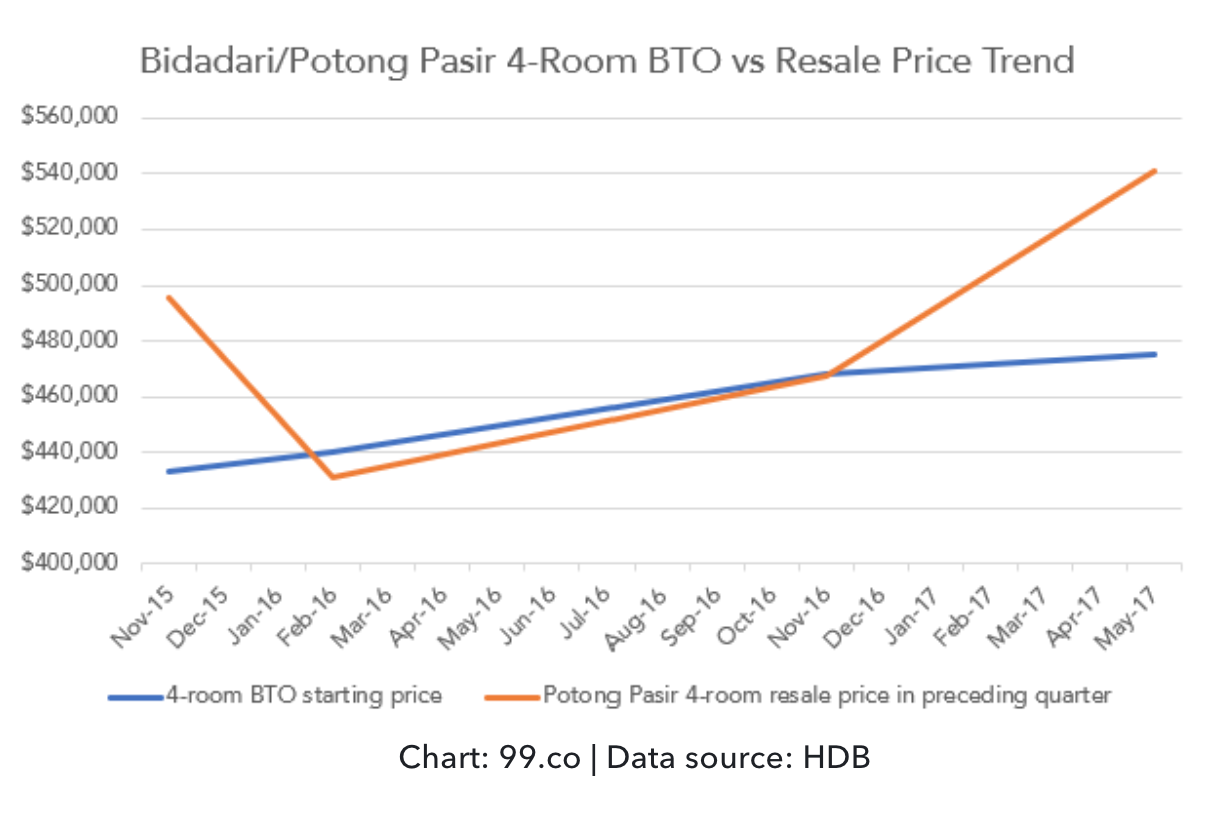
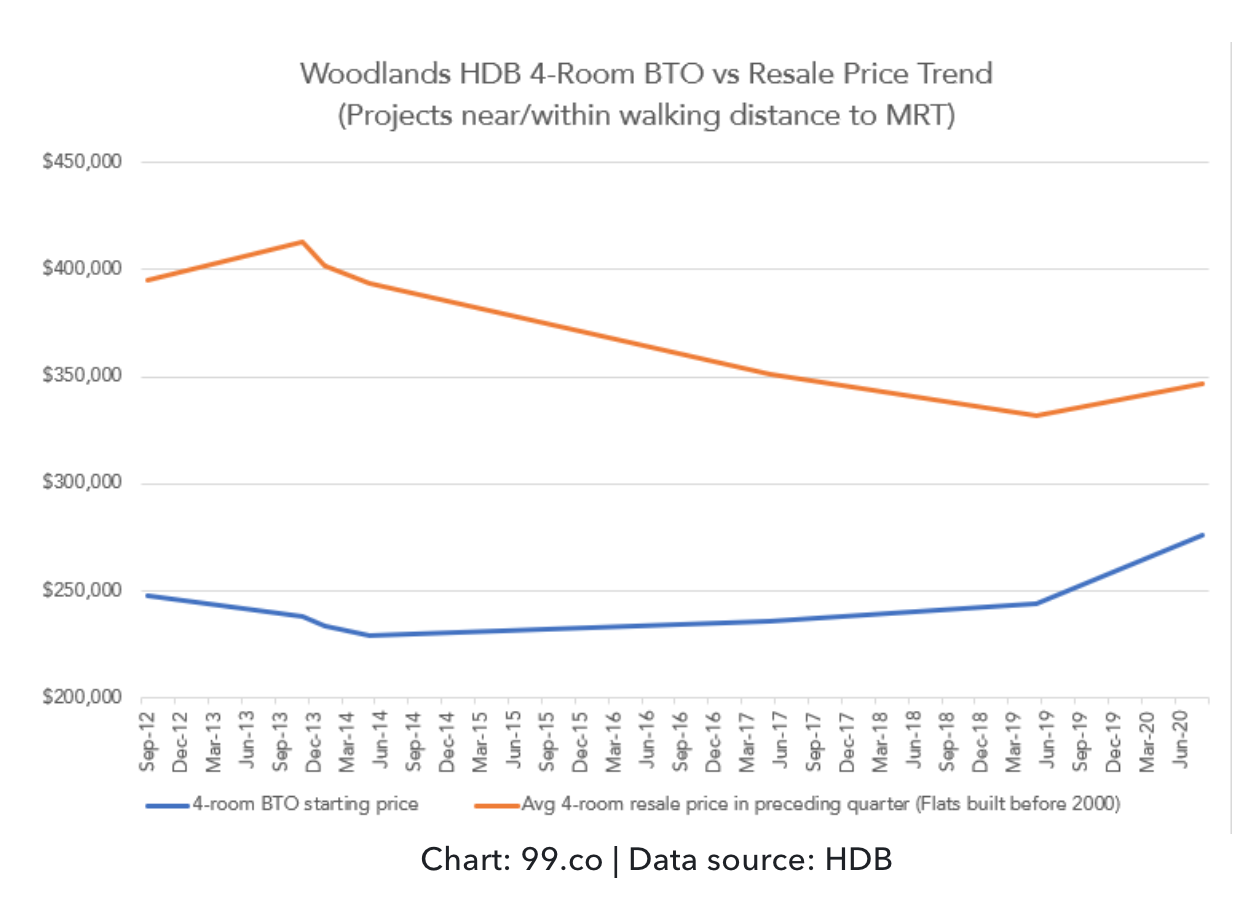
Source: 99.co
All of us have different views when it comes to housing. Some of my friends view it as an investment. Others will view their first home as a forever home.
TLDR: But one thing’s for sure; housing prices have not been cheap and are on the rise. Plan your finances wisely before committing to a 5-room flat with fanciful Bali-themed decor.
5 . On CPF SA and SRS
Aside from the CPF OA mentions for housing, some of us should already be familiar with some hacks to both CPF Special Account (SA) and Supplementary Retirement Scheme (SRS). But if not, here are the methods that I have started doing so this year.
Topping up CPF SA with Cash
Every year, you are eligible to make top ups of up to $7,000 to your CPF SA via the Retirement Sum Top Up (RSTU) Scheme. With this top up, there are 2 advantages to it.
It helps fast track your Full Retirement Sum (FRS). FRS for 2020 is currently at $181,000. If you need more information on what is FRS, click HERE. Remember, your CPF SA earns you a guaranteed interest rate of 4%. That is pretty impressive itself.
This top up also doubles up as a LEGAL way to get a tax relief of up to $7,000 for yourself.
Opening your SRS Account
The SRS account is a voluntary savings scheme to help prepare Singaporeans for their retirement. One of the main reason for this account is also for tax reliefs of up to $15,300 every year!
I have opened my SRS account this year. And like many others who haven’t actually utilised this account yet, I have topped up just $1 in this account. This $1 top up helps me to lock in my retirement age at 62 years old according to the statutory retirement age. The statutory retirement age will rise to 65 years old by 2030, but I can still withdraw my money at 62 years old thanks to opening it this year.
Closing Thoughts
I’m hope some of the above thoughts and pointers help and resonate with your financial decisions. What I have penned down are nothing new and in no way perfect examples of perfect financial decisions, but I hope they have helped you in one way or another.
Comments
1533
0
ABOUT ME
For Millennials, By Millennials. Get Financially Savvy
1533
0
Advertisement
No comments yet.
Be the first to share your thoughts!